How to Scrape TikTok Data Easily

You may wonder how to scrape tiktok data? Start by knowing your goals. Many people ask how to scrape tiktok data? because they want to do market research, find influencers, or create better content. When you learn how to scrape tiktok data?, you can discover what your audience likes and how trends change. Businesses often use how to scrape tiktok data? to get ideas for new products or to see what customers say. If you want to know how to scrape tiktok, you will see that anyone can do it. Before you start, always think about the rules and respect privacy. Learning how to scrape tiktok data? helps you make smart choices.
Key Takeaways
Know your goals before you scrape TikTok data. Figure out what information you need for market research or making content.
Always follow TikTok's Terms of Service and respect user privacy. Do not use bots and do not collect private information.
Pick the right tools for scraping. You can use coding libraries like Python's BeautifulSoup or no-code tools like Octoparse.
Use best practices in your scraping plan. Set rate limits, keep data safe, and check how your scraping is working.
Save and store your data in safe formats like CSV or JSON. Make sure your dataset is clean and safe to stop data leaks.
Legal and Ethical Basics
TikTok Terms
Before you scrape TikTok data, you need to know the rules. TikTok’s Terms of Service say you cannot use bots to get info from any profile or video. You also cannot mess with how TikTok works. Do not try to get private info from any profile. If you use a tool to scrape a video, you must not break TikTok’s website or networks. TikTok’s Community Guidelines say you cannot take personal data from a profile for reasons TikTok does not allow.
If you do not follow these rules, you could get in trouble. Many people have been sued for scraping data from a profile or video without permission. You might have to pay a fine, and users can ask for money if you take data from their profile or video. TikTok’s Developer Terms of Service also have rules about using data from a profile or video. You need to follow these rules to stay safe.
Your name and research belong to TikTok forever if you share findings from a profile or video. This means TikTok controls your work.
Some people think scraping data from a profile or video is always okay, but that is not true. TikTok wants researchers to update data every 15 days and delete any video or profile data not in the API. You also have to tell TikTok 30 days before you share research about a profile or video.
Responsible Use
You should act carefully when you scrape data from a profile or video. Privacy groups say you should only take public data from a profile or video. Do not take personal info from a profile unless you have permission. You should not take too much data from a profile or video so TikTok does not slow down.
Description | |
|---|---|
Respect User Privacy | Only collect public data from a profile or video and avoid personal info |
Minimize Platform Impact | Use rate limits when scraping a profile or video to avoid slowing TikTok |
Transparent Data Usage | Tell users how you will use data from a profile or video |
Secure Storage | Keep data from a profile or video safe and secure |
Data Minimization | Only collect what you need from a profile or video |
You also need to follow laws like GDPR and CCPA. These laws protect data from a profile or video, especially if you move data to another country. TikTok got fined for sending profile and video data to China without enough protection. If you scrape data from a profile or video, you must check if you are following these laws.
Setup for Scraping TikTok Data

Tools and Libraries
You need good tools to get TikTok data. There are many choices. Each tool has its own features. Some tools need you to use code. Others let you work without coding. Pick a tool that fits your skills and project.
Tool | Features | Pricing |
|---|---|---|
Bright Data | Has many TikTok scraping features. | N/A |
Decodo | Has an API playground, GitHub examples, and dashboard. | N/A |
Oxylabs | Has a big proxy pool, country targeting, and AI help. | N/A |
Zyte API | Works for many uses, has TypeScript API, and prices change by features. | N/A |
ScraperAPI | Saves money, works with many languages, and has a free plan. | Starts from $49/100,000 credits |
Apify | No-code, has many templates, and gives data in different ways. | N/A |
If you want to scrape tiktok with python, you need some libraries. Use httpx to send requests. Use parsel to read HTML. JMESPath helps you pick data. Loguru helps you keep logs. Scrapfly-sdk works with JavaScript pages. Asyncio makes data collection faster.
Tip: You do not always need to log in. Some open-source scrapers can get public data without credentials.
Environment Setup
Set up your computer before you start scraping. This keeps your work neat and safe.
Download Python from the official site.
Make a virtual environment with
python -m venv tiktok-scraper.Turn on the environment:
For Windows:
tiktok-scraper\Scripts\activate.batFor Linux:
source tiktok-scraper/bin/activate
Use pip to add libraries like asyncio, nodriver, and beautifulsoup4.
You should manage cookies to look like a real user. Make a session object to save cookies. Change user agents and IPs so you do not get blocked. Wait between requests so TikTok’s servers do not get too busy.
Note: Using a virtual environment keeps your files apart and helps you handle dependencies easily.
How to Scrape TikTok Data?
Analyzing TikTok Structure
When you want to scrape tiktok, you need to see how TikTok pages are set up. Each profile, video, and hashtag page looks a bit different. These pages have lots of data you can collect. Before you start, know what data you want to find.
Here is a table that lists the main parts of a TikTok web page you might want to scrape:
Component Type | Description |
|---|---|
Like counts, comment counts, share numbers, basic engagement ratios, public interaction data on videos | |
Comments Data | Public comments with timestamps, commenter usernames, comment like counts, reply structures for public conversations |
Search and Hashtag Data | Hashtag search results, public trending topics, search page content, category exploration data available on public pages |
You can see these parts on almost every video and profile. When you watch a video, you see likes, comments, and shares. These numbers are called engagement metrics. If you want to study engagement, you need to collect these numbers. When you visit a profile, you see the creator’s name, how many followers they have, and their videos. Hashtag pages show what is trending and related videos.
Most people who scrape tiktok want these data points:
Video Description
Music Title
Posted Date
Tags
Views count
Likes count
Comments count
Shares count
Bookmarks count
You can also get top keyword searches, engagement rate, search result position, creator name, region, follower count, video duration, hashtags, and metadata strength score. By looking at how tiktok is built, you can pick the data you need for your project.
Tip: Always make sure the data you want is public. Never try to get private info from a profile or video.
Writing the Script
You can use different tools and languages to scrape tiktok. Many people use Python because it is simple and has good libraries for web scraping tiktok. You can also use JavaScript or TypeScript. Some tools like Zyte help you scrape tiktok data by acting like a real user. They use browser emulation, so it is harder for TikTok to block you. These tools also let you change your IP and use automation.
Here are some popular ways to write your script:
Python: Good for scraping tiktok transcripts and video data. Libraries like Selenium, BeautifulSoup, and Scrapy help you get data from each profile and video. The API often gives you data in JSON format, which is easy to use.
JavaScript: Good for scraping tiktok profiles. You can get results fast because there is no rate limit. You can also use the JSON data in many ways.
Zyte: Good for scraping dynamic content. It acts like a real person and helps you avoid blocks. You can write scripts in TypeScript.
When you write your script, follow these best practices for web scraping tiktok:
Use rate limiting. This means you control how often your script sends requests. If you send too many requests, TikTok might block your IP.
Store and study your data. Use a database like MySQL or MongoDB to keep your profile and video data safe. You can use tools like Matplotlib or Tableau to find trends.
Follow the rules. Always check TikTok’s rules before you scrape tiktok data.
Here is a simple Python code example for scraping tiktok data from a public video page:
import requests
from bs4 import BeautifulSoup

url = "https://www.tiktok.com/@username/video/1234567890"
headers = {"User-Agent": "Mozilla/5.0"}
response = requests.get(url, headers=headers)
soup = BeautifulSoup(response.text, "html.parser")

# Find video description
description = soup.find("meta", {"name": "description"})["content"]
print("Video Description:", description)
This script gets the video description from a public video page. You can change it to collect other data like likes, comments, or hashtags.
Note: Always test your script with a few requests first. This helps you avoid getting blocked.
Extracting TikTok Data
After you write your script, you can start getting tiktok data. You can collect data from many videos, profiles, or hashtags. If you want an easier way, you can use tools like Octoparse. These tools help beginners who do not want to write code.
Some good things about using Octoparse for scraping tiktok:
Easy-to-use interfaces that help you find what you need.
Ready-made templates for quick data extraction.
Automated workflows that let you scrape tiktok data without coding.
You can follow these steps to use Octoparse:
Open Octoparse and paste the TikTok link.
Start auto-detecting and change the workflow if needed.
Get data from TikTok in Excel or CSV format.
When you extract data, you can get info from each profile and video. You can collect engagement metrics like likes, comments, and shares. You can also get hashtags, video descriptions, and creator names. By scraping tiktok, you can make a dataset for your project.
If you want to do web scraping tiktok on a bigger scale, you should use a database to store your results. This helps you keep your profile and video data organized. You can then study engagement and trends over time.
Remember: Always follow TikTok’s rules and respect user privacy when scraping tiktok data.
Handling Scraping Challenges
Anti-Scraping Measures
When you scrape TikTok, you will face many anti-scraping tools. TikTok uses these to protect each profile and video. You need a smart scraping strategy to collect data without getting blocked. If you want to gather data from a profile or video, you should know how to avoid detection.
Here are some ways to help your scraping strategy work:
Use proxies to mask your IP address. This makes it harder for TikTok to block you when you scrape a profile or video.
Emulate human behavior. Change the speed and pattern of your requests. This helps you look like a real user when you visit a profile or watch a video.
Bypass CAPTCHAs. Some tools can solve CAPTCHAs for you, so you can keep collecting profile and video data.
Spoof your user-agent. This makes your requests look like they come from a real browser when you access a profile or video.
Choose advanced scraping tools. These tools can simulate real user activity on a profile or video.
Always review TikTok’s terms of service before you start any scraping strategy. Make sure you respect the rules for every profile and video. Stay within legal and ethical guidelines.
Troubleshooting
You may run into errors when you scrape a profile or video. Sometimes, TikTok changes its website or adds new protections. You need to adjust your scraping strategy to keep collecting profile and video data.
Common problems and solutions include:
Respect TikTok’s terms and guidelines. This keeps your scraping strategy safe when you collect data from a profile or video.
Change your request pattern. Stay within rate limits and imitate human actions when you visit a profile or watch a video.
Monitor your scraping performance. Check for errors when you collect data from a profile or video.
Avoid scraping too often. If you hit TikTok too much, you may lose access to a profile or video.
Stay updated with TikTok’s features. Changes can affect how you collect data from a profile or video.
Never scrape personal data from a profile or video. This helps you avoid legal trouble.
You can use error logs and debugging tools to fix issues. Here is a simple troubleshooting process:
Learn common error codes. This helps you know why your scraping strategy failed on a profile or video.
Keep detailed logs. Track every request to a profile or video.
Use exponential backoff. Wait longer between retries if you get blocked from a profile or video.
Design your tool to work even if some profile or video data is missing.
Give clear feedback if your scraping strategy fails on a profile or video.
Check your requests before sending them to a profile or video.
Handle authentication errors separately, especially if you need to log in to a profile or video.
Watch for TikTok API changes. Update your scraping strategy if you see new errors on a profile or video.
Have a backup plan if you cannot access a profile or video.
Test your tool with fake errors to see how it handles problems on a profile or video.
Tip: If you keep your scraping strategy flexible, you can keep collecting profile and video data even when TikTok changes its protections.
Export and Store Data
Save Results
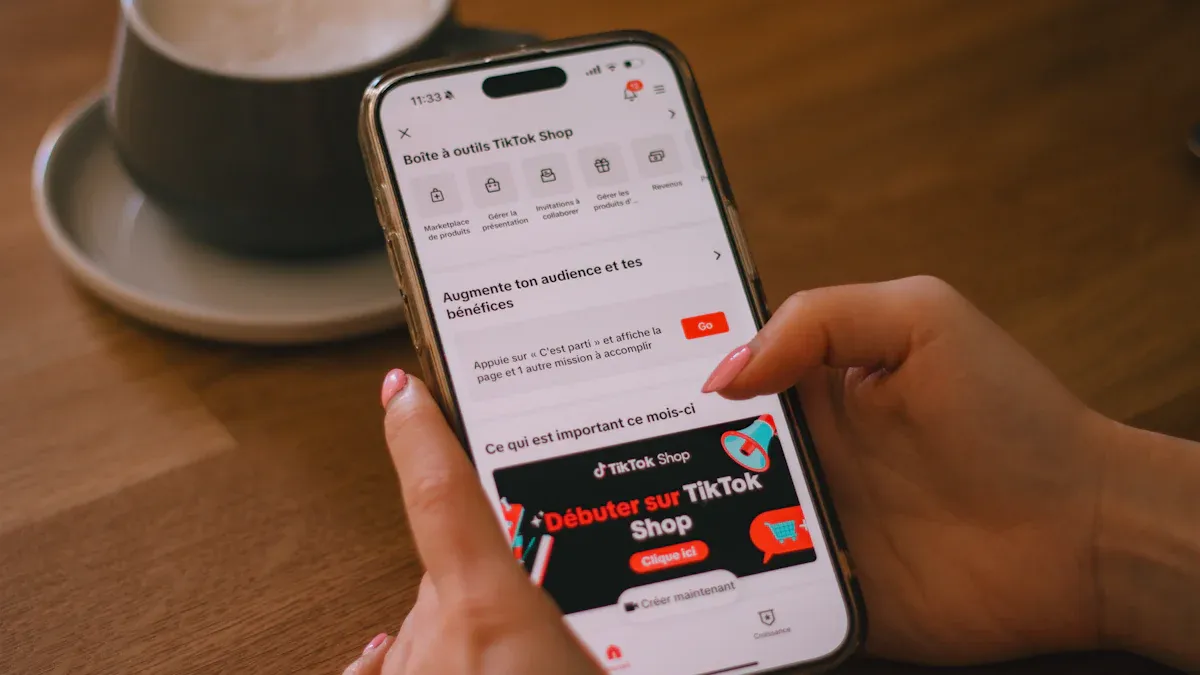
When you finish scraping profile stats and video data, you need to save your results in a safe way. There are different ways to export your TikTok dataset. Many people use tools like Coupler.io. This tool lets you set up exports to spreadsheets or business intelligence tools. You do not have to know how to code. If you want something easy, you can export your TikTok data by hand. Go to View Analytics and download your profile and video data from the last 60 days as a CSV or XLSX file. Some people use the TikTok API. This works well if you know how to code. You can write scripts to export profile and video data, but you might need approval or face limits because of where you live.
Tip: Always look at your exported dataset for missing profile or video info before you start to analyze or download videos.
When you store your dataset, you must keep it safe. If you do not protect your profile and video data, someone could steal it. This could lead to data leaks. Someone might get personal information without permission. Security experts say that if you do not store your dataset safely, it could be used to spread false information or even affect world events. ByteDance, which owns TikTok, has to follow Chinese laws. These laws say they must give data to the government if asked. This means your profile and video data could be seen by authorities. Always use strong passwords and safe storage for your dataset.
Data Formats
Picking the right format for your dataset makes it easier to look at and understand your profile and video data. Here is a table that shows the most common formats and why people use them:
Data Format | Advantages |
|---|---|
CSV | Easy to use for simple reports; works well with spreadsheet tools. |
JSON | Good for complex data; works with modern analytics tools; best for advanced needs. |
TXT | Simple text format; easy to read and write. |
XLSX | Has extra features in Excel; good for making reports by hand. |
If you want to scrape profile stats or work with lots of video data, CSV and JSON are good choices. CSV files open easily in Excel or Google Sheets. JSON is good if you need to save lots of details about profiles and videos. XLSX is best if you want to use special Excel features, like making charts about your profile or video engagement.
The format you pick changes how you study your dataset. For example, merged cells in XLSX files can make your analysis harder. If dates are not the same format, it can be confusing when you look at video trends. If you use percentages, you might need to change them before making charts in Excel or Tableau.
Note: Always check your dataset for mistakes before you download videos or start your analysis. Clean data helps you get better results when scraping profile stats or looking at video trends.
Getting TikTok data is easy if you use the right tools and steps. Many companies, like clothing stores and makeup brands, have made better plans by looking at TikTok data. You can use tools like Kalodata, Pentos, or Exolyt to spot trends and see your results in charts.
Always follow TikTok’s rules and privacy laws, like GDPR and CCPA.
Keep up with new rules and always give clear privacy details.
If you use data the right way, you can stay safe and get the best results from what you learn.
FAQ
How can you scrape TikTok data without coding skills?
You can use no-code tools like Octoparse or Apify. These tools let you collect TikTok data by clicking and dragging. You do not need to write any code. Just follow the steps in the tool’s guide.
Is scraping TikTok data legal?
You must follow TikTok’s terms and local laws. Only collect public data. Never try to get private information. Always check the rules before you start. If you break the rules, you could face legal problems.
What data can you collect from TikTok?
You can collect video URLs, descriptions, hashtags, likes, comments, and shares. You can also gather profile names and follower counts. Some tools help you get trending hashtags and engagement rates for tiktok sentiment analysis.
Why does TikTok block some scraping attempts?
TikTok uses anti-scraping tools to protect its platform. If you send too many requests or act like a bot, TikTok may block your IP address. You should use rate limits and change your request patterns to avoid blocks.
How do you store TikTok data safely?
You should save your data in secure formats like CSV or JSON. Use strong passwords for your files. Always check your data for mistakes before you use it. Keep your files in safe folders to prevent leaks.
See Also
Essential Tools For Analyzing TikTok Performance Effectively
Top Free Tools To Analyze Your TikTok Insights
A Guide To Accessing TikTok Analytics Easily