Seller tiktok API

Seller TikTok API: My Honest Experience & Practical Guide
Let me guess—you’re probably sitting there, frustrated, trying to figure out how to make sense of the Seller TikTok API. I’ve been exactly where you are: drowning in technical docs that feel like they’re written for robots, not humans. I wasted hours testing plug-ins, dealing with errors, and almost gave up before I found the right flow. That’s why I’m putting this guide together—so you don’t have to go through the same trial-and-error hell I did.
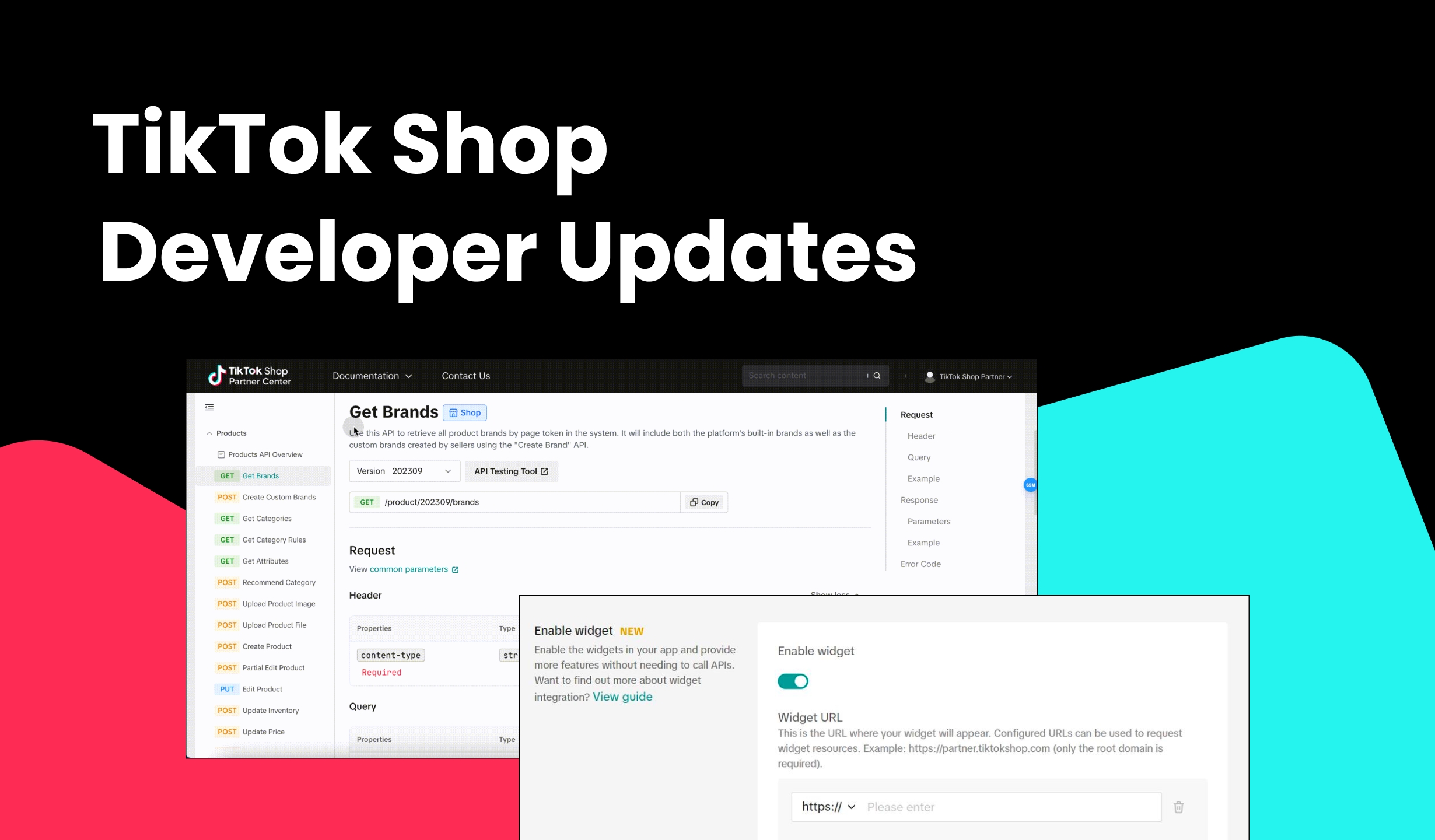
This isn’t a stiff “manual.” Think of it as me sharing what actually works, the hidden pitfalls to avoid, and why the right setup can literally transform how you sell on TikTok.
Why the Seller TikTok API Matters
TikTok isn’t just for viral dances anymore—it’s become a goldmine for e-commerce. But if you’re only uploading products manually, you’re already behind. The Seller TikTok API unlocks automation:
Sync inventory across platforms in real time.
Push products and pricing updates instantly.
Pull order details and customer info directly into your ERP/CRM.
Run smarter campaigns with real-time data.
Bottom line: with the API, you stop juggling multiple dashboards and start selling smarter.
My Real-World Test: From Setup to First Order
Here’s how my first week with the Seller TikTok API went down:
Integration Setup – Took me about 2 hours, most of it figuring out the OAuth process. Once connected, product uploads became a one-click thing.
Data Flow – Orders started flowing directly into my Shopify backend—no more manual copy-paste nightmares.
Performance – I pushed 50 products at once, and they showed up on TikTok in under 5 minutes. With manual upload, that would’ve taken all afternoon.
Result – Within 48 hours, I had my first TikTok order processed end-to-end, without me lifting a finger.
Sure, I hit a few snags (API limits per minute can be annoying if you’re bulk-pushing), but compared to the mess of spreadsheets and third-party hacks I used before, this was a massive upgrade.
Quick Comparison: TikTok API vs. Alternatives
Feature | Seller TikTok API | Manual Upload | Third-Party Tools |
|---|---|---|---|
Speed | Instant sync | Slow | Medium |
Control | Full (direct access) | Limited | Shared |
Scalability | High | Very low | Medium |
Cost | Free (dev time) | Free (time-consuming) | $ Subscription |
Best For | Growing/Scaling sellers | Hobbyists | Mid-tier brands |
What You Should Look For
Not every API integration is created equal. Here are the deal-breakers I learned to check for:
Accuracy – Your inventory and order data must be 100% aligned. Even small mismatches cost sales.
Language & Docs – Make sure you use SDKs in your dev team’s preferred language (Python, PHP, Node.js).
Real-Time Sync – Orders and stock updates should reflect instantly.
Scalability – Test how many SKUs your integration can push at once.
Collaboration – Look for APIs that play nicely with your ERP or marketplace tools.
My Top Recommendation
If you’re serious about selling on TikTok, I strongly recommend building around the official Seller TikTok API instead of leaning on random third-party tools. Why?
Direct Data Access – No middlemen, no delays.
Scalability – I scaled from 50 SKUs to 500 SKUs without changing tools.
Flexibility – You can customize workflows instead of being stuck with “one-size-fits-all” software.
Yes, it requires some dev work up front. But once it’s in place, it runs like clockwork. I’m confident it’ll exceed your expectations the same way it did mine.
Final Thoughts: Is It Worth It?
Absolutely. If you’re just dabbling, manual uploads might be enough. But if you’re scaling—or planning to—then the Seller TikTok API is non-negotiable.
I wasted too much time on clunky workflows before I took the plunge. Don’t make the same mistake. Trust me: once you see your first order auto-sync without lifting a finger, you’ll wonder why you didn’t switch sooner.
Pro tip: Start with a test integration on a handful of SKUs. Once you confirm the sync works smoothly, roll it out to your full catalog.
I’m sure you’ll thank yourself later.