TikTok shop data API and its impact in 2025


In 2025, the TikTok Shop API changes how brands reach many TikTok users. Brands can now use real-time analytics and automation tools. These tools help brands find new business chances. With TikTok’s new features, brands can study how shoppers act. They can also make shoppable videos. TikTok users start trends, so brands must change fast to keep up. Ecommerce leaders see that using data helps them do better.
Brands that use the TikTok Shop API get ahead in the fast world of TikTok commerce.
Key Takeaways
The TikTok Shop API lets brands find more customers. It uses live data and smart tools. These help make shopping fun and interesting.
Brands can sell more by using TikTok’s analytics. They can also work with influencers and use automation. This helps them follow trends and find the right buyers.
Connecting TikTok Shop to Shopify or WooCommerce keeps things updated. Product and order details stay correct. This helps stop mistakes from happening.
Good data privacy and security keep customer info safe. Brands need to know the latest privacy rules. This helps them keep customer trust.
Brands that set clear goals and test their setup do better. Using TikTok’s tools for content, ads, and live shopping helps them grow. They can succeed faster in social commerce.
TikTok Shop API Impact

eCommerce Strategy Changes
Brands use the TikTok Shop API to change how they sell online. The platform lets brands use TikTok’s smart algorithm and user data. Brands match customer lists and make ads for each person. They show ads again to users who want to buy and spend money wisely. The API helps brands join email and social media, so marketing is easier.
TikTok Shop gives shoppers fun ways to buy things. Product tags, shoppable videos, and live events help people buy quickly. Brands team up with creators to reach more people and build trust. Working with influencers helps brands show products and get more fans. TikTok’s creator network helps brands find new groups of people.
E-commerce brands use TikTok Shop’s private label plan. They look at user data to find trends and market gaps. Vertical integration lets TikTok Shop control the supply chain. This lowers costs and makes prices better for buyers. AI-powered logistics help with delivery and keeping track of products. These changes help brands grow fast, make customers happy, and get more users involved.
TikTok Shop’s easy commerce system handles product upload, buying, shipping, and order filling in the app. The new Shopping API will let brands add products even better. Businesses can find new customers and use viral trends like #TikTokMadeMeBuyIt. Connecting with other platforms like Shopify and Square helps brands keep their product lists updated. TikTok’s vertical videos and cool content show off products, so more people see and like them. Shoppertainment mixes fun and shopping, making content that helps brands sell and tell their story.
Key strategic shifts enabled by TikTok Shop API:
Data-driven product ideas based on TikTok user trends.
Vertical integration for lower costs and better prices.
Influencer marketing partnerships for bigger reach.
AI-powered logistics for faster delivery.
Joined marketing using email and social media.
Marketing Effectiveness
Brands see big changes in marketing after using the TikTok Shop API. Paint Your Life, Ltd. saw 48% more conversions and 32% less cost per acquisition. Match Booster tests showed 30% more engagement with Conversion APIs. A large retailer saw 12% more offline purchases from TikTok ads. Mango changed attribution settings and got 533% more web sessions and 83% less cost per session.
Advertisers who use TikTok Pixel and Events API get 19% more events and 15% better cost per acquisition. The Bouqs Company got over 3,500 full payment conversions using TikTok Pixel and Events API. MaryRuth’s test showed 24% higher click-through rate, 31% lower CPA, and 33% more conversions. TikTok’s attribution model finds almost 788% more conversions than last-click models. Checkmate’s creator TikTok videos led to a 43% higher click-through rate and 18% less cost per install. TikTok’s flexible attribution windows and mixed click/view-through attribution help campaigns learn up to 113% faster.
Using TikTok Conversion API with TikTok Pixel helps brands track user actions better. This way, brands catch conversions that might be missed because of browser or connection problems. Brands improve ad delivery, audience targeting, and performance checks. TikTok’s Offline Conversion feature lets businesses track offline sales and actions from TikTok ads. This gives brands a full picture of conversion impact, not just online actions.
Adding LiveRamp’s Authenticated Traffic Solution to TikTok Events API helps marketers improve campaigns right away. They use detailed reports and insights to make cost per action better. Brands track conversions from many places in one platform, so they get more from ad spend. These tools help brands get better conversion rates for TikTok shopping campaigns.
Metric | Description | Example / Impact |
|---|---|---|
Cost Per Acquisition (CPA) | Money spent to get one conversion; lower means ads work better. | CPA dropping from $25 to $18 in a month shows ads are improving as TikTok learns. |
Conversion Lift | Extra conversions from TikTok ads, checked by comparing groups. | More conversions in the group that saw ads show real campaign impact. |
Retargeting Success Rate | Conversion rate for people who know the brand, often 2-3x higher than new people. | Groups like video watchers or cart abandoners buy more, showing a healthy sales funnel. |
Incremental Sales Lift | More money made during a campaign compared to before. | Sales going from $1,000 to $1,300 daily links ad spend to more revenue. |
Add-to-Cart to Purchase Ratio | Percent of users who add items to cart and buy; good range is 30%-60%. | High ratio means checkout and product pages work well. |
View-Through Conversions | Conversions from users who saw but did not click ads, tracked in 1-7 days. | Usually 10-30% of all conversions, showing ad views matter. |
Content Shares or Saves | User actions that show interest and trust, often leading to later buys. | Share/save rates above 2% link to more conversions because more people see the content. |
TikTok Shop API and its tools help brands get better conversion rates, more engagement, lower costs, and improved campaigns. Brands use TikTok’s platform to reach more users, follow trends, and grow in social commerce. The API helps e-commerce brands keep up with changes and get strong sales results.
TikTok Shop API Features
Analytics & Automation
The TikTok Shop API gives brands strong tools for analytics and automation. Brands can check reports about how videos do and who watches them. They also see how much people interact with their videos. Real-time tracking lets brands change their ads fast. AI gives tips about when to post, what topics are popular, and which hashtags to use. These tools help brands guess which videos might go viral.
Many brands use automation to plan posts and handle ads. They watch how their ads do as it happens. Social commerce lets brands tag products in videos and sell inside the app. This makes buying easy for users. Customer tools include chatbots and messages made just for each person. Brands can see what users do and answer quickly.
The TikTok Shop API helps brands work with influencers. The creator network lets brands find creators and work together. Brands can see how well these partnerships do. Real-time data lets brands change sales and marketing plans right away.
Capability Category | Key Features and Benefits |
|---|---|
Advanced Analytics | Reports show how videos do, who watches, and how people interact. Brands can track events as they happen. |
AI Recommendations | AI gives tips for when to post, what is trending, and which hashtags to use. It helps guess what will go viral. |
Marketing Automation | Brands can plan posts, manage ads, and watch how ads do in real time. |
Social Commerce | Brands can tag products, sell in the app, and track sales as they happen. |
Customer Engagement | Chatbots and special messages help brands talk to users and see what they do. |
Influencer Marketing | Brands use the Creator Marketplace API to work with creators and check results. |
Real-Time Data | Brands get live updates on what users do, sales, and ads, so they can change things fast. |
Platform Integration | SDKs and APIs help brands connect with other tools to make work easier. |
AI analytics tools like Kalodata and Shoplus look at TikTok trends, influencer results, and live stream activity. These tools update every day to be more correct, but sometimes the data may change a little. Bigger eCommerce tools like Magicbean.ai give more exact insights by using data from TikTok, Shopify, and other places.
Integration & Security
The TikTok Shop API helps brands link with other eCommerce tools easily. Brands can manage products, update stock, and change prices right away. The API lets brands handle orders, returns, and refunds in other apps. Platforms like API2Cart help brands connect TikTok Shop with Shopify and WooCommerce. This saves time and stops mistakes.
Feature/Functionality | Description | Integration Benefit |
|---|---|---|
Real-time product, order, inventory management | Brands can update products, orders, and stock right away. | This keeps data the same on all platforms and stops mistakes. |
Automation of product updates and order processing | The API handles price changes, order updates, and stock tracking. | This saves time and makes work easier across many sales channels. |
Use of SDKs and third-party platforms | SDKs make it simple to connect, manage tokens, and get updates. | This cuts down on work and keeps things working even if the API changes. |
Marketing insights and social commerce tools | Brands get reports on TikTok user actions and can work with influencers. | This helps brands make better ads and sell more. |
Order and customer management automation | Brands can get orders, update status, and manage customer info fast. | This makes customer service and order handling better. |
Shipping and inventory synchronization | The API supports many shipping ways and updates stock in real time. | This keeps stock and shipping info correct everywhere. |
Integration platforms | Brands can connect TikTok Shop with many eCommerce and shipping systems using one API. | This helps brands manage products, orders, and customers in one place. |
Security is very important for TikTok Shop. TikTok U.S. Data Security Inc. keeps user data safe with strong controls and stores it in Oracle Cloud. Only trusted workers can see this data. Trusted groups can check the code and services in special centers. Both digital and physical protections keep data safe. TikTok Shop uses Stripe to handle payments and keeps all payment data secret. The platform follows world data rules like GDPR to protect user information.
Business Implications

Data-Driven Decisions
Brands using the TikTok Shop API in 2025 get strong tools to help them make choices with their own data. The API lets brands see product lists, prices, seller scores, customer reviews, and sales trends right away. Brands watch what their rivals do and change prices when the market changes. They spot popular products and match their stock to what people want. This cuts down on mistakes and helps things run smoother. Putting TikTok Shop data into places like BigQuery or Snowflake helps brands check how well they are doing, make special dashboards, and see which products make the most money.
E-commerce brands grow fast by using their own data to find trends and reach new markets. For example, a fitness gear company sold 45% more in three months by following hot hashtags and products. Brands spend their ad money better by picking campaigns that should bring in more. Using automatic data tools makes decisions up to 50% faster, so brands can pick the best stock and ads.
Brands that use TikTok Shop analytics work better with influencers. One fashion store got 50% more sales from TikTok.
The sales path is clearer when brands use their own data to follow customers from finding a product to buying it. Seller Center tools like product lists, stock control, and order handling give brands more control and better info. These tools help brands react fast to trends and grow in social shopping.
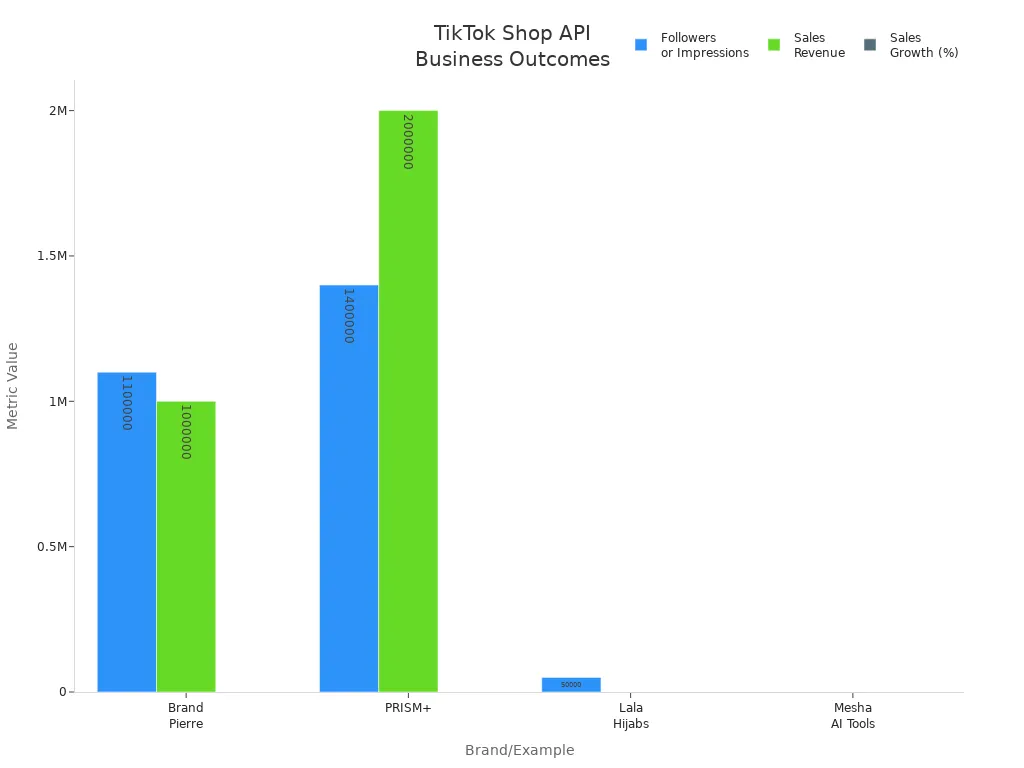
Campaign Optimization
Brands make their ads better by using TikTok Shop API data and smart tracking tools. They use custom groups to show ads again to people who liked their brand. They also use lookalike groups to find new buyers. Connecting CRM data helps brands catch leads and split up their audience in real time. Brands test different videos for TikTok’s style, using short, lively clips and clear messages. Spark Ads help boost regular posts and get more people interested.
Smart budget tools and LeadsBridge help brands get good leads fast. Brands check how ads do with TikTok Pixel, Events API, and offline tracking. They match this data with CRM tools to track results better. Watching ads in real time and making quick changes helps brands use TikTok’s special ad options.
Category | Metrics / Tools | Description / Use Case |
|---|---|---|
Traffic | Clicks, CPC, CTR, Landing Page Views, Cost per LPV | These numbers show how many people see and click ads. |
Conversions | Conversions, CPA | These numbers show how many people buy or sign up, helping brands see if ads work. |
TikTok Analytics | Video/Profile Views, Interactions, Audience Insights, Active Times | This tool shows how videos do and when people watch. |
TikTok Ads Manager | Campaign creation, resource management, performance analysis | This platform helps brands run ads and check reports to make ads better. |
TikTok Pixel | Web traffic measurement, campaign optimization, customer cycle tracking | This code tracks what people do on websites to help ads reach the right people. |
TikTok Events API | Greater accuracy, advanced optimization, granular control | This tool tracks actions on the server, making sure data is right. |
Adsmurai One Tag | Easy integration, cross-platform compatibility, tracking health, ROI optimization | This tool helps brands set up tracking and get the best ad results. |
Brands get more from their ads by using AR campaigns and TikTok Shop API tools. For example, AR ads get a 13.8% click rate and 3-5% of people buy. Samsung’s Galaxy S21 FE ad got 26 million views and a 9.5% jump in people remembering the ad. Smart tracking tools like RedTrack’s TikTok Ads link give brands good data and help them improve ads right away. Some brands saw a 30% jump in ROAS and up to 60% more ROI with these tools.
The sales path works better when brands use their own data and tracking to follow every step a customer takes. E-commerce brands that use TikTok Shop API tools for ads get more people to join in, more sales, and clear growth.
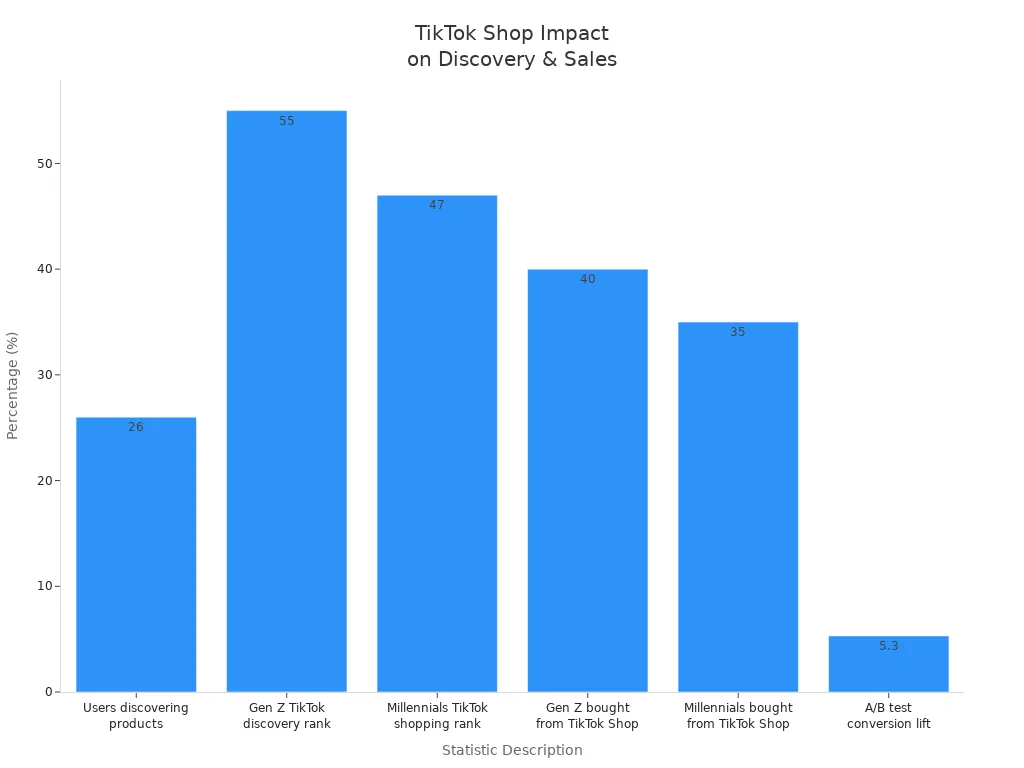
Adapting to TikTok Shop API
Setup Steps
Brands that want to do well on TikTok Shop in 2025 need a simple setup. First, they connect their online store to TikTok Shop. Many brands use the LitCommerce app for this. LitCommerce works with Shopify, Wix, WooCommerce, BigCommerce, Squarespace, and Square. The app lets brands pick products in a dashboard and add them as drafts. Real-time syncing keeps orders and inventory updated between the store and TikTok Shop. Brands can bring TikTok Shop sales into their web store to handle orders quickly.
No coding is needed for this setup. LitCommerce takes care of the tech side, so most teams can use it. Sellers in the US, UK, and Asia can use this tool. Brands connect through the TikTok Shop seller dashboard for safety.
If brands use the TikTok partner portal, they follow these steps: 1. Sign up on the TikTok partner portal and pick the right market. 2. Add business info and finish checking. 3. Make an app, choosing Public or Custom. 4. Ask for API permissions in 'Manage API.' 5. Test the setup with API tools in 'Development kits.' 6. Watch API rate limits, which allow 50 requests per second. 7. Shopify, WooCommerce, and Magento are supported for easy setup.
Brands can run into problems during setup. Syncing catalogs can take a long time and mistakes can happen, especially if done by hand. It is hard to keep catalogs updated when things change a lot. TikTok does not always help much with fixing syncing errors. Order management is tricky because brands must track orders from many places and fill them right. Handling customer questions and returns is harder when there are lots of orders.
Apps like GoDataFeed help by automating catalog syncing and order work. These tools cut down on mistakes, save time, and make product data fit TikTok’s needs. If brands go viral, they may need more money fast to restock and wait for payments. Revenue-based financing, like Onramp Funds, gives quick cash and flexible payback. This helps brands handle big sales jumps and works well with better shipping.
Tip: Brands should test their setup before going live. This helps avoid problems during live shopping events.
Best Practices
Brands that change fast to TikTok Shop API do better than others. Linking TikTok data with CRMs, analytics, and inventory tools gives useful info. Automated tools like Coupler.io help sync data in CSV, XLSX, JSON, or by API. Security is very important. Brands should use TikTok’s API with OAuth 2.0 and follow privacy rules like CCPA.
To get the best results, brands should do these things: 1. Make product listings better by using keyword tools like TikTok’s Keyword Insights. Write product details that show benefits and connect with buyers. 2. Use great pictures and videos. Short, fun clips and clear images grab attention and show products in real life. 3. Work with influencers to make content. Honest reviews and targeted reach help a lot. Live shopping lets brands talk to buyers and create excitement. 4. Get users to make content. Start challenges and show customer videos to grow trust and reach. 5. Use analytics tools like TikTok Analytics and others to watch how things go and learn. 6. Try A/B testing to make content, ads, and plans better using data. 7. Connect TikTok Shop with Shopify to sync catalogs and make work easier, reaching more people.
Brands should also use key tools for TikTok Shop: - TikTok One: Brings together creativity, data, and e-commerce to track the whole customer journey. - Catalog API: Handles big product lists and makes playlists for a better user experience. - TikTok Ads Manager: Runs paid ads, targets audiences, and tracks results. - Creator Marketplace: Links brands with influencers and shows real results. - Creative Center: Gives trend tips, viral sounds, top hashtags, and content tools. - Agency Center: Helps agencies manage many accounts with shared access and reports. - Partner Hub: Lets brands use TikTok’s official tech partners for creative and tracking help.
Note: Brands should set clear goals like ROAS or brand lift before starting. Sync catalogs and events with One Tag for good tracking. Start with two or three main products and grow based on results. Use full measurement to see brand lift, view-through, and GMV in one place.
Joining groups and learning from others helps brands avoid mistakes. Focusing on top products with strong looks lowers risk and helps learning. Setting up integration, tracking, and content systems builds a strong base for growth. TikTok Seller Center guides and blog posts give new tips and strategies.
Live shopping is still a great tool for brands. Talking with buyers during live events builds trust and excitement. Brands that follow these best practices can do well on TikTok Shop for a long time.
Common Concerns
Data Privacy
Brands using TikTok Shop API in 2025 must follow strict privacy rules. The platform has to obey GDPR, especially Article 46(1) about moving user data between countries. The Irish Data Protection Commission checks these rules and stops illegal transfers of European user data to China. Technical protections are not enough if the country’s laws do not match GDPR. Chinese laws like the National Intelligence Law and Cybersecurity Law make it hard to fully protect data in China.
Being open is very important. The platform must tell users how their data moves, who can see it, and why it is used. TikTok’s company setup does not remove risks from different countries’ laws. Control goes beyond just legal papers. The platform must manage data moving between countries, keep data separate by region, and watch vendors closely. Data sovereignty now affects how the platform handles privacy.
Local laws add more rules. In Japan, users under 15 need a parent’s permission. Bytedance KK and TikTok Pte. Ltd. both control data. In Kenya, the platform uses data based on contracts, legal needs, or user permission, and users under 18 need a parent’s okay. In Latin America, users must agree before their data is used for ads or promotions. These rules show the platform must follow local laws everywhere.
Brands should check privacy policies often and teach teams about new rules. This helps keep user trust and stops legal problems.
Cross-Platform Integration
Many brands want to link TikTok Shop with other sales channels. The platform works with Shopify, WooCommerce, and more. Brands use APIs and SDKs to sync product lists, orders, and stock. This keeps info correct and lowers mistakes. Real-time updates make handling orders easier.
Tracking is hard when brands use many platforms. Each system tracks users in its own way. Brands need to set up TikTok tracking tools like TikTok Pixel and Events API to measure campaign results. These tools help brands see which ads lead to sales and which posts get people interested. TikTok Shop’s tracking data must match other platforms for clear reports.
Integration Challenge | Platform Solution | Attribution Impact |
|---|---|---|
Catalog Sync Errors | Automated API updates | Accurate product attribution |
Order Management Complexity | Real-time order syncing | Reliable sales attribution |
Tracking Across Channels | Unified attribution tools | Consistent attribution reporting |
Data Privacy Compliance | Regional data controls | Secure attribution data |
Brands should test connections before starting campaigns. They should watch tracking reports and fix any problems. Using unified tracking tools helps brands see user journeys across platforms. This leads to better choices and stronger campaign results.
The TikTok Shop API in 2025 changes how brands talk to shoppers. Brands can connect their stores to TikTok easily. This helps them get more people interested and use data to make better choices.
Benefit Category | Description |
|---|---|
Seamless Integration | People can shop on TikTok without leaving the app. This makes them buy more and stay longer. |
Enhanced Engagement | Shopping is fun with influencers and videos from users. |
Amplified Reach | Brands can show products to over one billion TikTok users. This helps more people see what they sell. |
Brands need to learn fast and change when needed.
Go live on TikTok to answer questions and build trust.
Check analytics often and change plans if needed.
Use loyalty programs and flash sales to get people to buy again.
Brands that change quickly with TikTok Shop can do well in social commerce.
FAQ
How does the TikTok Shop API help brands grow sales?
The API gives brands live data and tools that work by themselves. Brands can see what is popular and change prices fast. They can also keep track of their products easily. These things help brands find more buyers and sell more.
Is it safe to use the TikTok Shop API for customer data?
TikTok Shop has strong safety rules and follows world privacy laws like GDPR. Only trusted workers can look at private data. Brands should check privacy rules often to keep customer info safe.
Can brands connect TikTok Shop with other eCommerce platforms?
Yes. Brands can join TikTok Shop with Shopify, WooCommerce, and others. Special tools match product lists, orders, and stock. This lets brands handle all their sales in one spot.
What support does TikTok offer for API integration issues?
TikTok gives setup steps, a partner portal, and help for developers. Brands can read help articles and join group chats. For hard problems, brands can talk to TikTok’s tech support team.
See Also
Understanding TikTok Analytics For Effective Marketing Strategies
The Rise Of TikTok E-Commerce In The Philippines
EchoTik Supports Sellers After TikTok Shop Indonesia Closure
Comparing EchoTik Data Tool With Traditional TikTok Analytics
Pet Care Leads TikTok Shop As Global Market Hits $235 Billion