TikTok Stats: Read Trends, Creators & Shop Growth in 2026

TikTok Stats
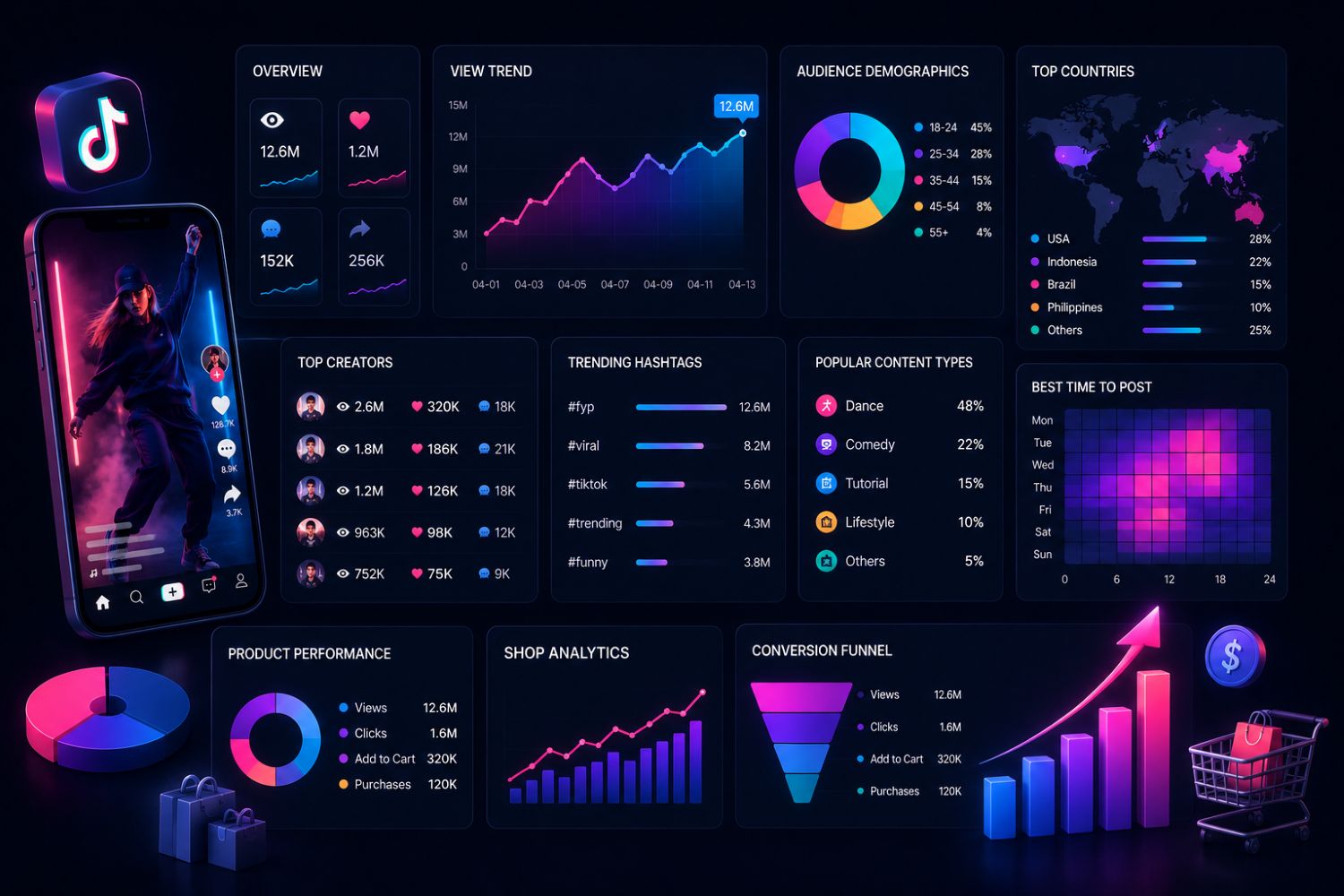
TikTok stats are the data points that show how videos, creators, products, shops, live streams and trends perform on TikTok. Basic stats include views, likes, comments and shares. For TikTok Shop sellers and ecommerce teams, the more valuable stats are product momentum, creator influence, shop growth, live activity, competitor movement and category demand.
Tools like EchoTik TikTok E-commerce Analysis help users turn TikTok stats into decisions: what products to test, which creators to contact, which competitor shops to monitor and which content angles to publish next.
What Are TikTok Stats?
TikTok stats are performance signals that help you understand what is happening on TikTok.
For a casual creator, TikTok stats may mean views, likes, comments, shares and followers. Those numbers are useful, but they only show the surface.
For a seller, brand or agency, TikTok stats should go deeper. You need to know which products are gaining attention, which creators are moving demand, which shops are growing, which videos are creating buyer interest and which live streams are shaping purchase decisions.
A view count tells you that someone watched.
A comment tells you what they cared about.
A product trend tells you what demand may be forming.
A creator stat tells you who may influence the market.
A shop stat tells you which competitor is gaining ground.
That is why a serious TikTok stats workflow should not stop at account-level analytics. It should connect content, commerce and competition.
Why TikTok Stats Matter in 2026
TikTok is no longer just a short-video app. It has become a commerce environment where products, creators, videos, shops and live streams all affect buying behavior.
That changes how teams should read data.
A product may trend because one creator explained it well.
A shop may grow because it repeats the same video format.
A live room may convert because the host answers buyer objections clearly.
A category may heat up because several stores and creators start pushing similar products in the same month.
If you only look at views, you miss the story behind the market.
That is where EchoTik becomes useful. EchoTik connects TikTok commerce data across products, creators, shops, videos, live streams, ads and category trends, making it easier to turn raw stats into business decisions.
Key Takeaways
TikTok stats are useful only when they explain what action to take next.
Views and likes are not enough for TikTok Shop decisions.
Sellers should track product momentum, creator fit, shop growth, video patterns and live activity.
Current-month stats matter because TikTok trends can move quickly.
EchoTik helps teams analyze TikTok stats across products, creators, shops, videos, live streams and market trends.
The best workflow is not “collect more data.” It is “ask better questions, then use data to answer them.”
May 2026 TikTok Stats Snapshot
For May 2026, TikTok stats should be read as current market signals, not static platform trivia. Instead of asking “What are the biggest TikTok numbers?”, a growth team should ask “Which stats help us make a better decision this month?”
Use EchoTik’s TikTok Data API or analytics platform to review these current-month signals.
May 2026 Stat Type | What to Check | Why It Matters | Best Next Action |
|---|---|---|---|
Product stats | Product visibility, ranking movement, related videos, creator links | Shows which products are gaining attention this month | Build a product validation list |
Creator stats | Category fit, content activity, engagement quality, product history | Shows which creators may influence buyers | Create a creator outreach shortlist |
Video stats | Views, engagement, hooks, comments, product mentions | Shows which content formats are working | Build a content brief |
Shop stats | Store activity, best-performing products, product mix, creator coverage | Reveals competitor strategy | Build a competitor watchlist |
Live stats | Live room activity, promoted products, host behavior, audience questions | Shows where demos and trust-building matter | Plan live scripts or creator live tests |
Category stats | Niche-level movement, emerging product clusters, repeated patterns | Helps avoid outdated trends | Compare adjacent categories |
Comment stats | Buyer questions, objections, repeated concerns | Reveals what the audience needs explained | Turn comments into content ideas |
This snapshot is designed for current-month execution. It gives your team a way to move from “TikTok is trending” to “Here is what we should test next.”
The TikTok Stats That Actually Matter
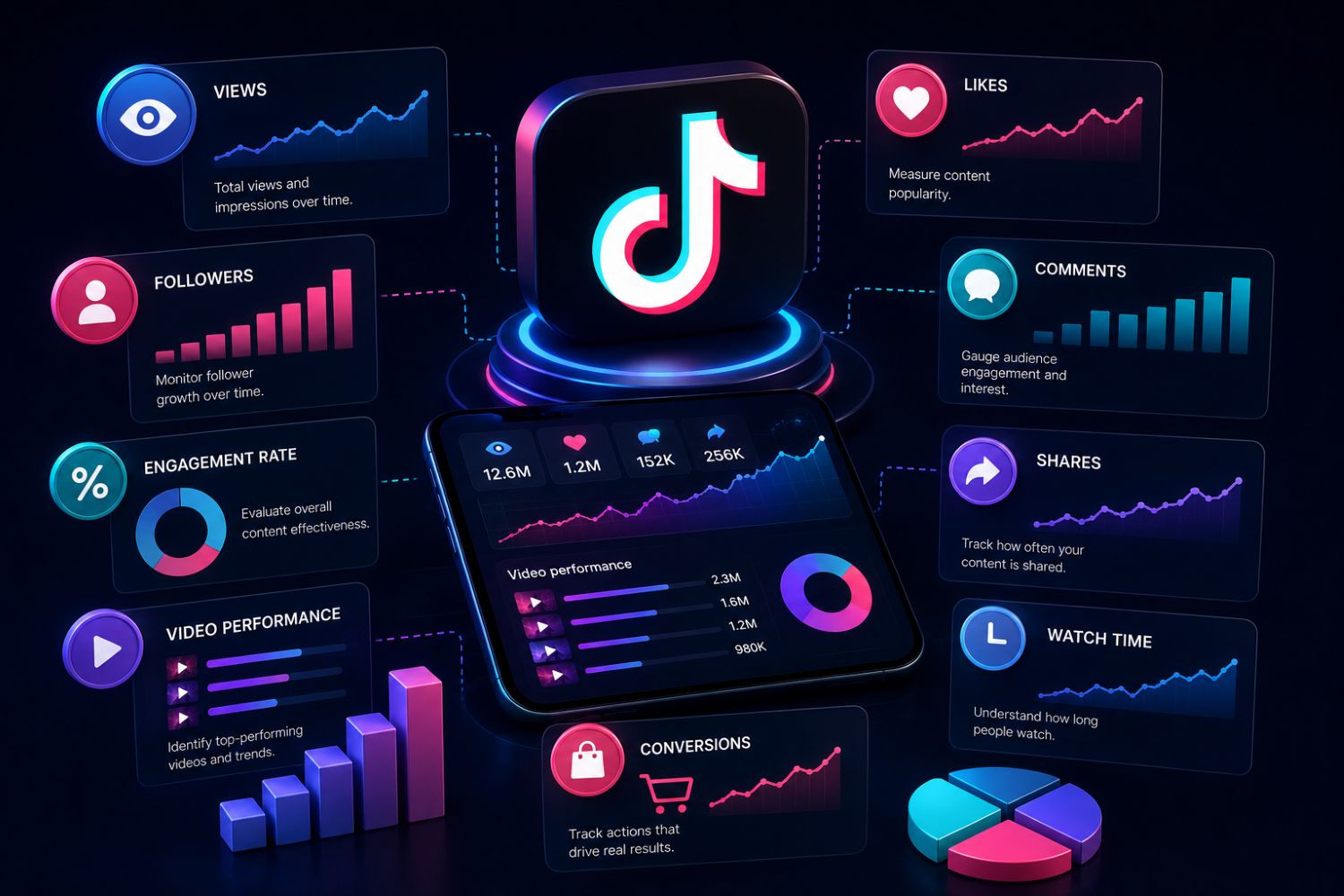
Not every stat deserves the same attention. The right metric depends on the decision you are trying to make.
Views
Views show whether a video reached people. They are useful for content discovery, but they do not prove trust, purchase intent or product demand by themselves.
Likes
Likes show lightweight approval. They are helpful, but they should be read with comments, saves and shares.
Comments
Comments are often more valuable than likes because they reveal questions, objections, curiosity and buyer intent.
Shares
Shares can show that a video is useful, funny, surprising or worth passing along.
Saves
Saves often indicate that viewers want to return to the content later. For tutorials, product comparisons and buyer guides, saves can be a strong quality signal.
Product Momentum
For TikTok Shop sellers, product momentum is one of the most important stats. A product gaining repeated attention across creators, videos and shops is more useful than one isolated viral post.
Creator Fit
Creator stats matter because creators shape trust. Category relevance, content style and audience response often matter more than follower count.
Shop Movement
Shop stats help you understand competitors. A growing shop may reveal product direction, creator strategy, live activity and offer positioning.
Live Stream Signals
Live stats matter when a product needs explanation, demonstration or real-time buyer confidence.
Step-by-Step Workflow: How to Analyze TikTok Stats with EchoTik
Step 1: Start With the Business Question
Do not open a dashboard just to look at numbers. Start with the decision you need to make.
Ask:
Which products should we test this month?
Which creators should we contact?
Which competitor shops are gaining ground?
Which videos should inspire our next content brief?
Which live rooms should we study?
Which category is getting more competitive?
Clear questions create useful analysis.
Step 2: Choose One Market and Category
Avoid analyzing all TikTok data at once. Choose one market, one category and one use case.
For example:
Beauty products in the US market
Home organization products in the UK market
Pet care products in Southeast Asia
Fashion accessories for creator-led promotion
Kitchen tools for TikTok Shop live selling
A narrow focus makes the stats easier to interpret.
Step 3: Review Current-Month Product Stats
Use EchoTik TikTok E-commerce Analysis to find products gaining attention this month.
Look for products that appear across:
Multiple videos
Multiple creators
Multiple shops
Live rooms
Category rankings
Comment discussions
Repeated signals are stronger than one viral moment.
Step 4: Check Creator Stats Behind Product Demand
Product demand often depends on creator distribution. Study which creators are promoting similar products, how they explain the product and whether the audience shows real interest.
Look for:
Category fit
Content consistency
Comment quality
Product promotion history
Live selling potential
Audience-market match
This turns creator selection from guessing into research.
Step 5: Compare Competitor Shop Stats
Competitor shops can reveal how the market is moving.
Track:
Best-performing products
Product mix
New product launches
Creator partnerships
Video frequency
Live activity
Repeated content formats
The goal is not to copy competitors. The goal is to understand what they are doing repeatedly and why it may be working.
Step 6: Analyze Video Stats and Content Patterns
A strong video stat analysis should go beyond views.
Ask:
What happens in the first few seconds?
What problem does the video introduce?
Is the product shown clearly?
Does the creator explain the value quickly?
What questions appear in the comments?
Does the video create buyer curiosity?
This helps you build content ideas from real behavior.
Step 7: Review Live Stream Stats
For some products, live commerce is where buyers become confident. Use EchoTik Live Monitor to study live room traffic, product lists, audience behavior and selling points.
Live stats can help answer:
Which products need demonstration?
Which hosts explain the product well?
What buyer questions appear repeatedly?
How are offers positioned during live sessions?
Which talking points match traffic changes?
Step 8: Turn Stats Into Action
The final step is action.
Turn your TikTok stats into:
Product test lists
Creator outreach lists
Competitor watchlists
Video hook libraries
Live selling scripts
Category reports
Weekly market updates
Data becomes valuable only when it changes the next decision.
Product Stats: Find What Buyers Are Paying Attention To
Product stats matter because TikTok Shop moves quickly. A product can rise because of a creator, a seasonal need, a strong visual demo, a category trend or a live selling pattern.
When reading product stats, ask:
Is the Product Getting Repeated Attention?
One viral video is not enough. Stronger products usually appear across several creators, videos or shops.
Is the Product Easy to Explain?
Products with visible benefits often perform better in short-form content because the viewer understands the value quickly.
Are Competitors Testing Similar Products?
If several shops are pushing similar items, the market may be heating up. That can signal opportunity, but also rising competition.
Is There a Better Angle?
A product is not valuable only because it is trending. It is valuable when your team can position, bundle, explain or promote it better.
Creator Stats: Identify Influencers Worth Working With
Creator stats should not be reduced to followers.
A creator with a smaller but more focused audience can be more useful than a broad creator with weak category relevance.
Use EchoTik’s creator and video data to evaluate:
Category fit
Content style
Engagement quality
Product match
Comment intent
Live ability
Repeat performance
You can also use the EchoTik browser extension to study TikTok creators and products while browsing, which helps reduce dashboard switching during research.
Before contacting a creator, ask one simple question:
Would this creator’s audience understand and care about this product?
If the answer is not clear, keep researching.
Video Stats: Understand Why People Watch
Video stats are not just about views. They are about attention quality.
A high-view video should be analyzed like a case study.
Hook
What made people stop scrolling?
Promise
What did the video make viewers expect?
Product Moment
When did the product appear, and was the value clear?
Proof
Did the creator use demonstration, comparison, review, result or social proof?
Comments
What did viewers ask? What confused them? What did they want next?
This is how you turn video stats into a content system instead of chasing random viral posts.
Shop and Competitor Stats: Track Market Movement
Competitor stats are one of the fastest ways to understand market pressure.
A competitor shop can tell you:
Which products are being pushed
Which creators are being used
Which categories are expanding
Which videos are repeated
Whether live selling is part of the strategy
Whether the shop depends on one hero product or a wider catalog
For comparison-based readers, EchoTik also has an EchoTik vs Kalodata guide that explains how TikTok Shop analytics platforms differ across product research, creator analytics and competitor monitoring.
This kind of competitor research helps teams move faster without blindly copying.
Live Stream Stats: Read Real-Time Commerce Signals
Live stats are especially useful for TikTok Shop categories where products require explanation.
A live room can show:
Which products are being demonstrated
How hosts answer objections
What questions buyers ask
Which products receive repeated attention
How sellers structure talking points
Whether urgency or education drives engagement
Live stats matter because TikTok commerce is not only about discovery. It is also about trust.
If short videos create attention, live streams often help turn that attention into confidence.
Common Mistakes to Avoid
Looking Only at Big Platform Stats
Large TikTok statistics may sound impressive, but they rarely tell your team what to do next.
Treating Views as the Final Answer
Views show attention. They do not always show buyer intent.
Choosing Creators by Follower Count
Follower count is only one stat. Category fit and audience intent often matter more.
Using Old Trends
TikTok changes quickly. Current-month stats are more useful than old viral examples.
Copying Competitors Without Context
A competitor may succeed because of its creator network, live strategy or offer structure, not just the product.
Collecting Data Without Action
Stats are only useful if they lead to better products, creators, content or campaigns.
FAQ
What are TikTok stats?
TikTok stats are data points that show how TikTok videos, creators, products, shops, live streams and trends perform. They include views, likes, comments, shares, creator activity, product momentum and shop movement.
What TikTok stats matter most for sellers?
For TikTok Shop sellers, the most useful stats are product momentum, creator activity, shop growth, video engagement, live activity, category movement and buyer intent in comments.
How can I check TikTok Shop stats?
You can use a TikTok analytics platform like EchoTik TikTok E-commerce Analysis to research products, creators, shops, videos, live streams and competitors.
Are TikTok views enough to judge performance?
No. Views show attention, but they should be read with comments, saves, shares, product interest, creator fit and competitor context.
Can EchoTik help with TikTok creator stats?
Yes. EchoTik helps users analyze creator activity, content performance, product relevance and category fit.
Can EchoTik provide TikTok stats through API?
Yes. EchoTik offers a TikTok Data API for teams that need structured TikTok data across creators, videos, live streams, products, shops and market trends.
How often should I review TikTok stats?
For active sellers and agencies, weekly review is useful. For strategic planning, a monthly report helps identify bigger category, creator and competitor movement.
Final Thoughts
TikTok stats are not valuable because they look impressive. They are valuable when they help you make a better decision.
The real questions are:
Which products are gaining attention this month?
Which creators are shaping buyer trust?
Which videos are turning views into interest?
Which shops are moving faster than the market?
Which live rooms are teaching buyers how to choose?
Which category is becoming more competitive?
That is the kind of intelligence sellers, brands and agencies need.
EchoTik helps users move beyond surface-level TikTok stats and read the full commerce picture: products, creators, videos, shops, live streams and competitors.
If you want to use TikTok data for product research, influencer discovery, competitor tracking or live commerce analysis, start with the tools below: