What Data Does TikTok Store About You in 2025


You may ask, "What data does TikTok store about you?" In 2025, TikTok collects a lot of details. This includes your personal information and device type. It also tracks how you use the app and your content. TikTok gathers your location and biometrics too. The app can see your clipboard and other sensitive data. It gets these details from your profile and messages. It also uses your device settings and activity on other sites. Privacy risks include tracking your browsing habits. It stores biometric identifiers and shares your data with others. You can find easy ways to protect your privacy later in this guide.
Key Takeaways
TikTok gets lots of data from you. This includes personal info, device details, and location data. Knowing this helps you make smart choices about privacy.
You can change your privacy settings on TikTok. You can pick who sees your profile, comments, and videos. This helps keep your info safe.
TikTok shares your data with advertisers and partners. This means you may see ads that match your interests and actions.
Check TikTok’s privacy policy often for new updates. This helps you know how your data is used and what might change.
To keep your privacy safe, use strong passwords. Turn on two-factor authentication. These steps help protect your account.
What Data Does TikTok Store About You?
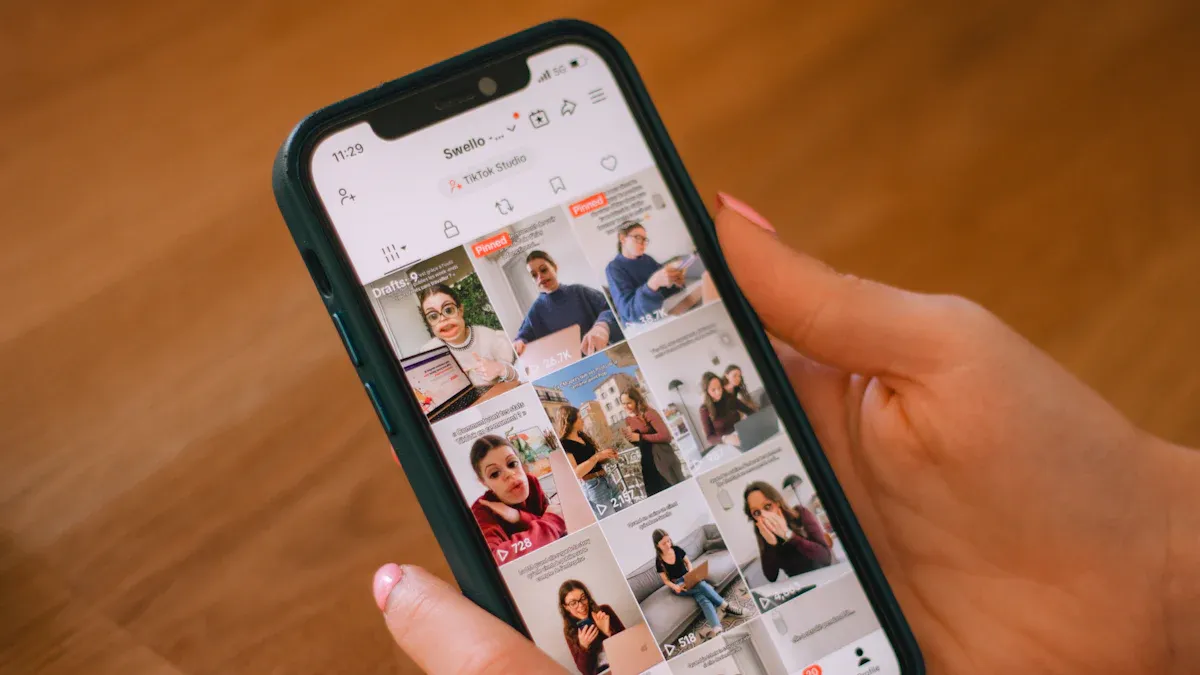
When you use TikTok, you give the app lots of information. You might ask, what data does TikTok keep about you? The answer covers many types. TikTok collects things like your personal information, device details, activity, content, location, biometrics, clipboard data, and other sensitive info. Knowing what data TikTok collects helps you make smart choices about your privacy.
Personal Information
TikTok gets personal information when you make an account or change your profile. You give your name, age, username, email, password, and phone number. The app also saves your profile picture and social media account details if you link them. This personal information helps TikTok know who you are and make your experience better. TikTok uses this data for making accounts, showing ads, and giving recommendations. You should know what data TikTok keeps because your personal information is the base of your user data.
Device Information
TikTok collects device information by itself. The app notes your device model, operating system, time zone, and language settings. It also tracks your mobile carrier and IP address. This data helps TikTok work better and keep things safe. The table below shows the types of device information TikTok keeps:
| Type of Data Collected | Description | | Account Information | Phone number, age, username, social media account information, profile image | | Technical Information | Device model, operating system, device settings (time zone, language) | | Network Information | IP address, mobile carrier information |
TikTok works to protect your data with technology and rules. The company uses controls to limit who can see your information. TikTok also deletes your data after 30 days if you ask to delete your account.
Usage and Activity
TikTok watches what you do every time you use the app. The app records your likes, comments, shares, and video views. It checks how long you watch videos and how often you use TikTok. The app sees your scrolling and swipe patterns. TikTok collects data about your uploads, timestamps, and geotags. The app also saves your contacts and messages if you allow it. Cookies and tracking tools help TikTok follow your activity on different devices. The app may get data from other social media accounts you link. These practices help TikTok make better recommendations and keep you interested.
Content and Messages
When you make or share content, TikTok saves your videos, photos, livestreams, audio, and text. The app keeps your comments and hashtags. TikTok also stores your messages and social interactions. This user data helps TikTok check content and make your feed personal. The app uses your videos and messages to suggest new things and connect you with friends. You should know what data TikTok collects because your content and messages show your interests and habits.
Location Data
TikTok collects location data in different ways. The app can use your GPS, cell tower info, and Wi-Fi hotspots if you let it. TikTok records your latitude, longitude, and altitude, which can even show your floor in a building. The app uses your IP address to guess your location. TikTok says it does not collect GPS data from users in Australia. Location data helps TikTok show you local content and improve its algorithm. You should know what data TikTok keeps because location data can show where you live, work, or travel.
TikTok collects location data like latitude, longitude, and altitude.
GPS is the main way TikTok gets this data from your device.
TikTok also uses cell tower and Wi-Fi hotspot info if you allow it.
Biometric Data
TikTok may collect biometric data from your content. The app can save faceprints and voiceprints from your videos and audio. TikTok uses this data for special effects, checking content, sorting users, and ad suggestions.
TikTok has said it may collect biometric identifiers and information, like 'faceprints and voiceprints', from user content. This data is used for things like special video effects, content moderation, sorting users, and content and ad suggestions. But the privacy policy does not clearly explain how this data is used or what 'faceprints' or 'voiceprints' mean.
Many users worry about TikTok collecting biometrics. The company has not explained how it asks for permission or where it keeps this sensitive data. You should know what data TikTok collects because biometric data is very personal.
Clipboard and Sensitive Info
TikTok can see and save sensitive information, including clipboard data. If you let it, the app may read what you copy to your clipboard. TikTok says it uses clipboard data to stop fraud, but this makes some people worry about security. The app also saves payment info if you buy TikTok coins, and may use your contact list to suggest friends. TikTok collects behavioral data, like which videos you watch, like, share, and comment on, and how much time you spend on the app.
| Category | Purpose | Examples | | Clipboard data | Maybe for fraud detection | Data copied to your clipboard (if you allow it) | | Personal information | Account creation, ads, and personalization | Name, age, phone number, email address | | Device and location data | Make algorithm better and show local content | IP address, device type, operating system, GPS location | | Behavioral data | Make better recommendations and keep you interested | Videos watched, liked, shared, and commented on; time spent on the app | | Biometric data | Check content and personalize | Faceprints and voiceprints (in some places) | | Payment information | Handle purchases and stop fraud | Credit card details, purchase history (if you buy TikTok coins) | | Contact list and social connections | Suggest friends and improve social experience | Contact names, phone numbers (if you allow it) |
TikTok’s data collection is a lot like other big social media apps. The company says it protects your data with encryption and other steps. But TikTok gets extra attention because of its connection to China. You should check what data TikTok keeps and change your privacy settings to share less sensitive data.
By knowing what data TikTok collects, you can make better choices about your privacy. TikTok collects personal information, device details, usage and activity, content, location, biometrics, clipboard, and other sensitive info. You can control how much user data TikTok keeps by changing your permissions and privacy settings.
Extent of Data Collection
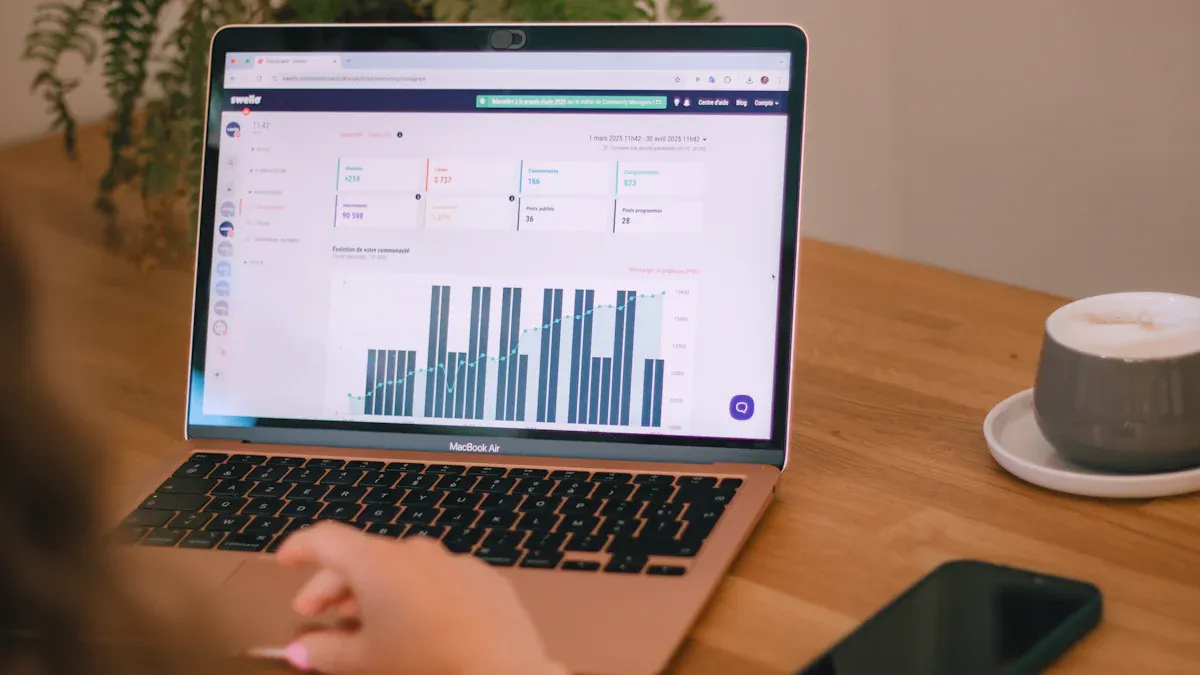
TikTok collects lots of different information about you. It does not just keep what you type or upload. You should know TikTok gets data in three ways. It collects data by itself, from you, and from other people. This helps you see how much TikTok tracks you. It also shows why being open about data is important.
Automatic Collection
TikTok gets details from your device without you typing anything. The app uses tools to collect technical data and how you act. Here are some examples:
Device details like model, operating system, and connected devices
Biometric data such as faceprints and voiceprints (where allowed by law)
Features in your photos and videos, like faces or objects
Text transcripts from spoken audio in your videos
Messages you compose, send, or receive
Cookies that track your actions on TikTok and other sites
TikTok uses this tracking to make your experience better. But it also makes people worry about privacy and being open.
User-Provided Data
You give TikTok information when you sign up or use the app. This includes your name, age, email, and phone number. When you post videos, comment, or send messages, you add more data. TikTok saves your uploads, profile changes, and even your payment details if you buy something. You control some of this data, but TikTok stores it to personalize your feed and keep your account secure.
Third-Party Sources
TikTok does not just use your device or what you give. The app also gets data from other companies. These companies include advertisers and data partners. They share personal and behavioral data with TikTok. This helps TikTok see how ads work and make better suggestions. TikTok’s privacy policy says it may get data from advertising partners and other services. This means TikTok collects even more data. It makes being open about data even more important.
Tip: You can check TikTok’s privacy policy to see what outside sources share your data.
If you know how much data TikTok collects, you can make smarter choices. TikTok uses automatic tools, your input, and third-party data to build a detailed profile. Knowing about tracking and being open helps you stay in control.
How TikTok Uses Your Data
Personalization
TikTok uses your data to make your experience special. The app checks what you like and how long you watch videos. It also looks at what you comment on. TikTok mixes what you share, like ratings, with your actions, such as likes and shares. This helps the algorithm pick videos that match your interests. You see more videos you enjoy and fewer you do not. TikTok’s policy says it uses your profile and behavior to improve recommendations. Your feed feels like it was made just for you.
Advertising
TikTok uses your data to show ads that match your interests. The app checks your age, location, hobbies, and device type. Advertisers use this information to reach the right people. TikTok’s policy lets them target ads in many ways. Here is how TikTok targets ads:
Targeting Method | Description |
|---|---|
Demographics | Age, gender, location, language, education level, and income. |
Interests and behaviors | Hobbies, topics, industry interests, past ad or content interactions. |
Device and connection type | Device model, operating system, Wi-Fi, or mobile data usage. |
Custom audiences | Use your own data (e.g., email lists, website visitors) to retarget users. |
Lookalike audiences | Reach new users who share traits with your existing audience. |
37% have bought something because of TikTok.
TikTok ads give a 64% better return in Europe than other digital ads.
Security
TikTok works hard to keep your data safe. The company stores all information in the United States using Oracle’s Cloud. Only approved people can see your data. A group of national security experts checks how TikTok handles user data. The algorithm and all operations stay in the U.S. TikTok follows U.S. laws to protect your privacy. The company says, “Americans’ data will be stored securely in the United States without access from China.” This helps people worry less about foreign access.
Analytics
TikTok uses your data to study how people use the app. The company checks which videos get the most views and which products sell best. TikTok’s policy lets it use this information to make the platform better. Here are some ways TikTok uses analytics:
43% of users try products they find on TikTok.
92% do something after watching content.
Users show 71% higher purchase intent than on other social platforms.
67% say TikTok makes them want to shop even if they did not plan to.
TikTok’s engagement rate is 17.5%, much higher than Instagram or Facebook.
Analytics help TikTok decide what features to add and how to make the app better for you.
Who TikTok Shares Data With
When you use TikTok, your data does not stay with just the app. The privacy policy says TikTok shares your information with different groups. It is important to know who gets your data and why.
Partners and Advertisers
TikTok works with partners and advertisers to make your experience better and show you ads that fit you. These groups get different data depending on what they do. The privacy policy lists the main partners and what data they get:
Type of Partner/Advertiser | Data Shared |
|---|---|
Marketing analytics partnerships | Customer data flow |
Advertising collaboration | Specific data connection protocols |
Platform functionality partners | Varied levels of data access |
Business accounts | Distinct sharing requirements versus personal accounts |
You might see ads or features because TikTok shares your data with these partners. Business accounts have their own sharing rules, which are not the same as personal accounts.
Service Providers
TikTok uses service providers to help run the app. These companies help with things like cloud hosting, delivering videos, customer support, checking content, marketing, analytics, and payments. The privacy policy says TikTok shares your information with these companies so they can do their jobs. Your data is kept on safe servers in the United States, Malaysia, and Singapore. Only a few trusted workers can see this data, and strong security keeps it safe.
Service providers help TikTok show videos and keep your account safe.
Your information can be what you give, what TikTok collects, or data from other sources.
TikTok limits who can see your data and uses strong security.
Legal Requests
Sometimes, TikTok has to share your data with police or government groups. The privacy policy says TikTok only does this if the law says so or if there is an emergency. A special team checks each request to make sure it is right. TikTok can say no if the request is too broad or does not have enough details. In emergencies, like when someone is in danger, TikTok may share data quickly. The company also makes reports to show how often it gets these requests.
Aspect | Description |
|---|---|
Legal Process Requirement | TikTok gives user data only if the law says so or in emergencies. |
Case-by-Case Assessment | Each request is checked by a special law team. |
Rejection of Requests | TikTok can say no if the request is too broad or missing details. |
Emergency Disclosure | Data may be shared fast if someone is in danger, like a child or if there is a threat. |
Transparency Reports | TikTok makes reports to show how many requests it gets from different countries. |
Cross-Border Transfers
TikTok sometimes stores or uses your data in other countries. The privacy policy says moving data to other countries can be risky. Your data may go to places with different privacy laws. For example, TikTok got in trouble in Europe for not protecting user data well and for unclear storage. Now, regulators watch TikTok closely and can stop data transfers if rules are not followed.
Cross-border transfers mean your data can leave your country.
TikTok must follow strict rules, like the GDPR, to keep your data safe.
Some countries, like China, have laws that let the government see personal data.
TikTok has been fined for not following these rules and must fix how it moves data.
Note: Always check the privacy policy to see how TikTok handles your data and where it might go.
Data Privacy
Privacy Risks
When you use TikTok, you might face privacy problems. The app collects lots of information about you. This includes your content, IP address, device details, and browsing history. TikTok shares your data with other companies. It can be hard to know where your information goes. Many people worry about not knowing what happens to their data. Users do not have much control over their information. Young users may not know how much data TikTok collects. This makes privacy risks worse for kids. There is always a chance of a data breach. Your sensitive information could get exposed if this happens. The table below shows the main privacy risks you should know:
Privacy Risk | Description |
|---|---|
Data Collection | TikTok gathers a wide range of user data, including location and browsing. |
Third-Party Data Sharing | Your data may be shared with outside companies. |
Lack of Transparency | You may not know what data TikTok collects or how it uses it. |
Children’s Privacy | Kids may not understand the privacy risks they face. |
Data Security Risks | Large-scale data collection increases the chance of a data breach. |
TikTok publishes reports to show what it does with your data. The app stores user data in local countries to help with privacy. TikTok uses content moderation to make things safer.
User Controls
You can manage your privacy on TikTok in many ways. The app lets you choose who can find your account. You can pick who sees your followers or liked videos. You can set who comments on your posts. You can decide who uses your content in Duet or Stitch videos. TikTok lets you block certain words in comments. You can limit who downloads your videos. You can turn on two-factor authentication for more safety. The table below lists some important controls you can use:
Feature | Description |
|---|---|
Account discovery | Hide your account from search results. |
Profile suggestions | Stop your profile from being suggested to others. |
Following list visibility | Choose who sees your followers. |
Liked videos display | Control who sees your liked videos. |
Comment permissions | Decide who can comment on your videos. |
Duet and Stitch permissions | Manage who can use your content. |
Download restrictions | Limit who can download your videos. |
Keyword filtering | Block certain words in comments. |
Two-factor authentication | Add extra security to your account. |
Device management | Check and control devices that access your account. |
Protection Tips
You can protect your privacy on TikTok by taking simple steps. Check your privacy settings and update them often. Use strong passwords and turn on two-factor authentication. Only share content you feel safe posting. Do not link other social media accounts if you worry about privacy. Watch for updates from TikTok about new privacy features. If you are a parent, help your child learn about privacy and safety. Stay alert for changes in how TikTok handles your information. These actions help you keep control and lower your risks.
You give TikTok lots of different information. This includes your personal details, device info, and what you post. The app also collects biometric data and watches what you do. The table below explains who gets your data and why:
Recipient | What data is shared | Purpose | Potential risk |
|---|---|---|---|
Parent company (ByteDance) | User activity, location, device data | Make the algorithm better | People worry about government seeing data |
Advertisers | Age, gender, location, engagement data | Show ads that fit you | Advertisers could make detailed profiles |
Service providers | Payment data, customer support interactions | Help with payments | Data could be stolen in a breach |
You can keep your privacy safer by doing these things:
Read TikTok’s privacy policy for any new updates.
Choose who can see your profile and posts.
Pick strong passwords and turn on two-factor authentication.
Watch for TikTok’s news about changes.
Knowing what happens to your data helps you stay in control and lowers your privacy risks.
FAQ
What personal data does TikTok collect from you?
TikTok collects your name, age, email, phone number, and profile photo. The app also saves your device type, location, and what you do on TikTok. You give some data when you sign up or use features.
Can you stop TikTok from tracking your location?
You can turn off location access in your device settings. TikTok will then use your IP address to guess your location. The app may still collect some location data, but you control the GPS access.
Does TikTok read your messages or clipboard?
TikTok stores your messages to help with features and safety. The app may access your clipboard if you allow it. TikTok says it uses clipboard data to stop fraud, but you can limit this in your settings.
How can you make your TikTok account more private?
Tip: Set your account to private, limit who can comment, and use two-factor authentication. Check your privacy settings often. Only share what you feel safe posting.
Who can see your TikTok data?
Data Type | Who Can See It |
|---|---|
Public posts | Anyone |
Private messages | You and the recipient |
Account info | TikTok staff |
Shared data | Partners, advertisers |
See Also
Essential Tools for Analyzing TikTok Performance Effectively
Understanding TikTok Metrics for Better Content Strategy
Exploring US TikTok Insights Using EchoTiK Analytics